The Risks of Removing a Large Tree Without the Right Equipment or Crew
Large tree removal is one of the most dangerous and technically demanding tasks in the tree care and excavation industry. While many property owners assume cutting down a tree is a straightforward process involving chainsaws and manual labor, the reality is far more complex. Mature trees can weigh several tons, extend over structures, and contain hidden weaknesses that make removal unpredictable. Attempting to remove a large tree without specialized equipment or an experienced crew can lead to severe injuries, structural damage, utility disruptions, and expensive liability issues. In residential and commercial settings alike, improper tree removal creates safety risks that affect not only the workers involved but also surrounding homes, vehicles, neighboring properties, and pedestrians.
Professional tree removal requires careful planning, advanced rigging systems, heavy-duty machinery, controlled cutting techniques, and coordinated teamwork. Every stage of the process must account for tree size, lean direction, weather conditions, root stability, and nearby obstacles. Without the right preparation and equipment, even a seemingly stable tree can shift unexpectedly or collapse in the wrong direction. Understanding the risks associated with unqualified tree removal helps property owners recognize why professional expertise, proper machinery, and trained crews play such an important role in protecting people, property, and long-term site safety during large tree removal projects.
Why Large Tree Removal Is More Dangerous Than Many Expect
Hidden Structural Instability Creates Serious Hazards
Large trees often appear healthy from the outside while containing internal decay, weakened root systems, hollow trunks, or storm-related damage. These hidden structural issues make tree movement difficult to predict during removal. A trunk may split unexpectedly during cutting, or heavy branches may break free without warning. Without professional assessment tools and removal techniques, these hazards can quickly become life-threatening.
Older trees frequently develop uneven weight distribution caused by disease, lightning strikes, wind exposure, or previous trimming mistakes. When cuts are made improperly, the tree may shift suddenly or collapse sideways instead of falling along the intended path. Professional crews evaluate these risks before any cutting begins and adjust removal strategies based on the tree’s condition and surroundings.
Improper Cutting Techniques Increase Accident Risks
Tree removal requires much more than operating a chainsaw. Incorrect cuts can create kickback hazards, unstable pressure points, and uncontrolled trunk movement. Inexperienced operators may underestimate how tension within branches and trunks affects the cutting process. Once pressure is released incorrectly, large limbs can swing violently or snap backward toward workers.
Professional crews use precise directional cutting methods designed to control how sections move during dismantling. This level of technical knowledge helps prevent injuries and limits unnecessary damage to nearby structures and landscaping.
Weather Conditions Can Make Removal Unpredictable
Wind, rain, saturated soil, and ice create additional dangers during large tree removal projects. Wet conditions reduce footing stability and increase the likelihood of uncontrolled falling sections. High winds may shift branches unexpectedly during rigging operations.
Without professional monitoring and specialized equipment, attempting tree removal during poor weather can quickly escalate into an emergency situation. Experienced crews understand when environmental conditions create unacceptable risks and when projects should be delayed for safety reasons.
Equipment Limitations Can Lead to Severe Property Damage
Standard Tools Are Not Designed for Large Tree Removal
Many property owners attempt tree removal using consumer-grade chainsaws, ladders, ropes, or rented equipment. While these tools may appear sufficient for small trees, large removals require industrial-grade machinery specifically designed for controlled dismantling and debris management.
Professional equipment often includes:
- Crane-assisted lifting systems
- Aerial bucket trucks
- Commercial rigging equipment
- Wood chippers
- Stump grinders
- Heavy-duty safety harnesses
- Stabilization systems
Without this equipment, large limbs may fall uncontrollably onto roofs, driveways, fences, or vehicles.
Falling Limbs Can Destroy Structures and Utilities
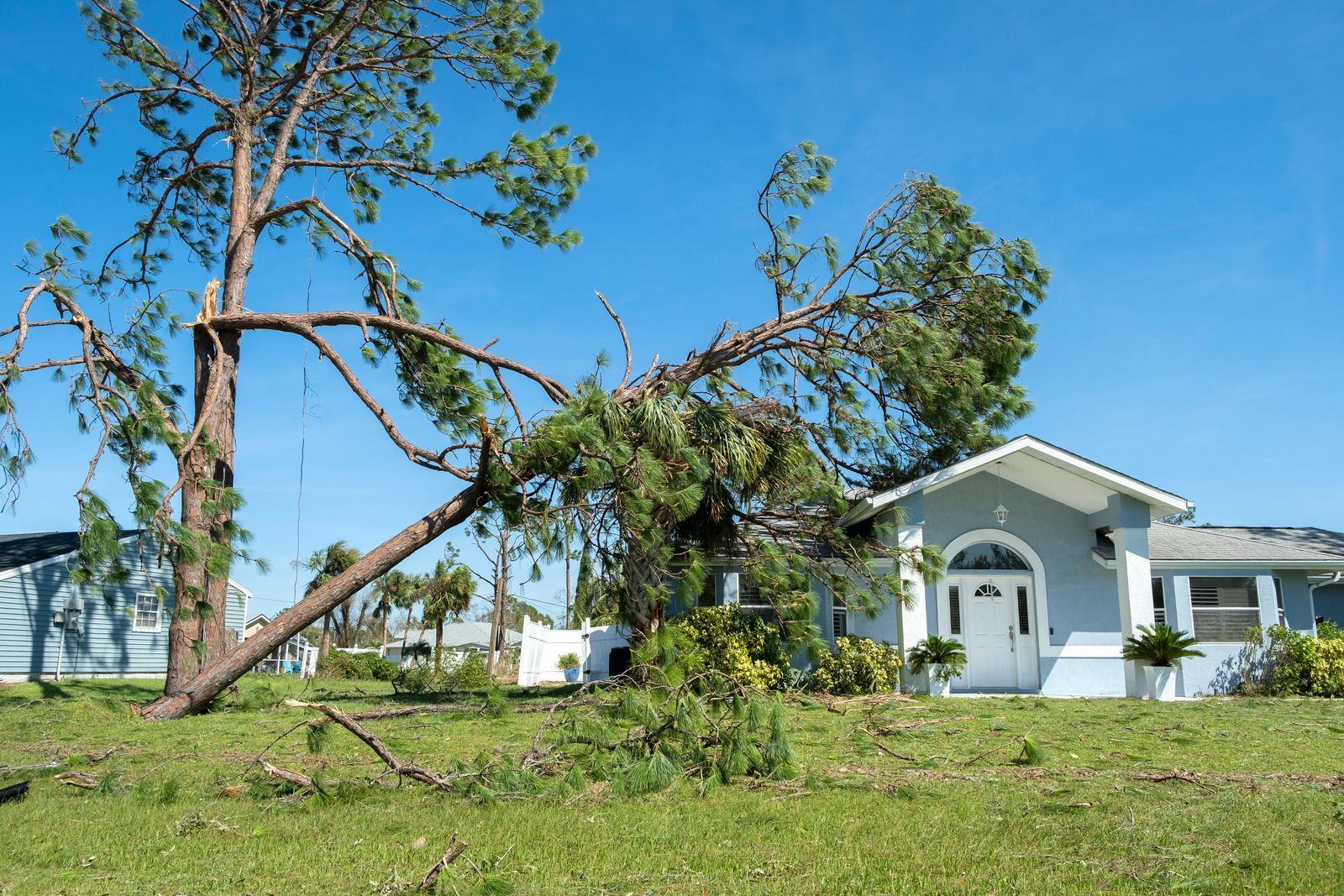
One of the greatest risks during unqualified tree removal is uncontrolled impact damage. Large branches can weigh hundreds or thousands of pounds. If these sections are not lowered carefully with rigging systems, they may crash through roofs, garages, patios, sheds, or windows.
Power lines create another major concern. Trees growing near electrical systems require specialized coordination and safety procedures. Contact with energized lines can cause electrocution, fires, and widespread service disruptions. Professional crews follow strict safety standards and utility regulations when operating near electrical infrastructure.
Inadequate Ground Protection Damages Landscaping
Large tree removal projects involve heavy debris movement and equipment operation across lawns and surrounding areas. Without protective planning, machinery can destroy irrigation systems, compact soil, damage retaining walls, and leave deep ruts throughout the property.
Professional crews use mats, controlled debris zones, and strategic equipment placement to reduce unnecessary landscape damage during removal operations.
Lack of Crew Coordination Creates Unsafe Working Conditions
Tree Removal Requires Multiple Skilled Workers
Large tree removal is not a one-person task. Successful projects rely on communication between climbers, ground crews, equipment operators, and safety supervisors. Every crew member plays a specific role in controlling movement, monitoring hazards, and managing debris.
Without coordinated teamwork, dangerous miscommunication can occur. A worker may enter a drop zone unexpectedly, equipment may move prematurely, or branches may be lowered incorrectly. These mistakes can result in severe injuries within seconds.
Emergency Situations Require Immediate Response
Tree removal projects can change rapidly when equipment malfunctions, weather shifts, or unstable sections begin moving unexpectedly. Professional crews train for emergency response procedures and maintain safety systems designed to minimize injuries during unexpected situations.
Inexperienced individuals often lack:
- Hazard communication training
- Emergency evacuation procedures
- Fall protection systems
- First-aid preparedness
- Equipment stabilization knowledge
Without proper preparation, even minor mistakes can become major emergencies.
Fatigue and Physical Strain Increase Human Error
Large tree removal requires intense physical labor and mental focus. Fatigue reduces reaction time, decision-making ability, and coordination. Workers attempting removal without sufficient manpower may rush through critical safety steps or make poor cutting decisions due to exhaustion.
Professional crews rotate responsibilities, monitor safety conditions, and maintain structured workflows that help reduce fatigue-related accidents throughout the project.
Professional Planning Makes Large Tree Removal Safer
Site Assessments Help Identify Potential Hazards
Professional tree removal begins with a detailed evaluation of the site and tree condition. Crews assess:
- Tree height and diameter
- Lean direction
- Root stability
- Structural defects
- Utility proximity
- Nearby structures
- Ground accessibility
- Soil conditions
This assessment helps determine the safest removal strategy and equipment requirements for the project.
Controlled Dismantling Reduces Unpredictable Movement
Instead of cutting down an entire tree at once, professionals often remove large trees in carefully controlled sections. Branches and trunk segments are lowered gradually using ropes, pulleys, cranes, or rigging systems.
This method minimizes the risk of uncontrolled collapse and allows crews to work safely in confined residential areas or near structures.
Specialized Equipment Improves Precision and Efficiency
Modern tree removal equipment allows crews to handle large projects with greater precision and reduced risk. Crane-assisted removals help control oversized sections that cannot be dropped safely. Bucket trucks improve worker positioning and reduce climbing hazards.
Proper machinery also speeds up debris management and cleanup, helping restore the property more quickly after removal.
Signs a Large Tree Should Only Be Removed Professionally
Trees Near Homes or Commercial Structures
Any tree located close to buildings, garages, fences, driveways, or outdoor living areas should be evaluated by professionals before removal. Limited drop zones increase the need for precision dismantling techniques and advanced rigging systems.
Storm-Damaged or Leaning Trees
Trees damaged by storms often contain hidden cracks and unstable branches that can shift unexpectedly. Leaning trees may indicate compromised root systems or structural instability that requires specialized handling.
Attempting removal without professional equipment in these situations greatly increases collapse risks.
Trees Near Utility Lines or Roads
Trees growing near power lines, sidewalks, roadways, or public areas require careful coordination and strict safety procedures. These removals involve heightened risk due to traffic exposure and electrical hazards.
Professional crews understand utility clearance requirements and safe operational practices for high-risk environments.
Extremely Large or Mature Trees
Large-diameter trunks and extensive canopy spread create major weight management challenges during removal. Mature trees require heavy-duty rigging systems, advanced cutting strategies, and experienced crews capable of controlling oversized sections safely.
Trusted Tree Removal Support From Experienced Professionals
Large tree removal is not simply a landscaping project. It is a highly technical and potentially dangerous operation that demands proper planning, advanced equipment, and experienced professionals who understand how to manage complex safety risks. Attempting removal without the right crew or machinery can lead to severe injuries, expensive property damage, utility disruptions, and long-term liability concerns. From unstable trunks and hidden decay to falling limbs and equipment limitations, the hazards involved with large tree removal should never be underestimated.
Working with trained professionals helps ensure trees are removed safely while protecting nearby structures, surrounding landscapes, and everyone on the property. Careful assessments, controlled dismantling techniques, and industry-grade equipment all contribute to safer outcomes and more efficient project completion. Investing in professional tree removal services also reduces financial risk by helping prevent avoidable accidents and repair costs that often follow unqualified removal attempts.
At Purple Heart Tree Service, we provide dependable excavation and tree service solutions backed by several
years of hands-on industry experience. We understand the challenges involved in removing large, hazardous, or storm-damaged trees and approach every project with safety, precision, and careful planning. Our crew uses professional equipment and proven removal methods designed to protect homes, commercial properties, utility systems, and surrounding landscapes throughout the process. From difficult removals near structures to complete site preparation and debris management, we focus on delivering reliable service and clear communication from start to finish. Property owners throughout Eugene, Oregon trust us for knowledgeable guidance, professional workmanship, and responsible project execution that prioritizes safety at every stage of the job.