Hazardous Tree Signs: When a Tree Becomes a Risk to Your Home
The clearest hazardous tree signs are a new or worsening lean, large dead limbs high in the canopy, mushrooms or conks growing at the base, vertical or horizontal cracks in the trunk, and soft hollow cavities. Soil heaving or mounding on one side of the trunk points to root failure, which is the most dangerous defect of all. Any of these signs on a tree within striking distance of your house, driveway, or power line is worth an on-site look from a trained arborist before the next storm.
A healthy tree gives you very little to worry about. It flexes in the wind, holds its leaves through the season, and stands the same way this year as it did last. A failing tree is different. It tells you something is wrong long before it comes down, but the signals are quiet and easy to miss if you don't know what you're looking at. A branch drops on a calm afternoon. A patch of mushrooms shows up at the base you swear wasn't there in spring. The trunk seems to lean a little more toward the roof than it used to.
Here in the Willamette Valley, those small changes matter more than most people realize. We grow some of the tallest conifers in the country, our winters soak the ground for months, and our windstorms roll in off the coast range with enough force to lay a Douglas fir flat. A tree that would shrug off weather anywhere else can turn into a real threat to your home once the soil goes to soup and the wind picks up. This guide walks through the warning signs that separate a tree worth keeping from one that needs attention now.
Why a Tree Turns Into a Hazard
A hazard tree isn't simply an old tree or a big tree. It's a tree with a structural defect that makes failure likely, standing where it could hit something if it fails. That something might be your house, a fence, a car, a shed, a walkway, or a power drop. A dying tree in the middle of a back forty is just nature doing its thing. That same tree twenty feet from your bedroom is a problem.
Trees fail in three broad ways. Branches break off, the trunk snaps, or the whole tree tips over at the roots. Each one leaves its own warning signs, and each gets worse with the exact conditions we deal with in western Oregon. Saturated ground loosens a root system that would otherwise hold. A canopy full of dead wood turns every gust into a falling hazard. Internal decay you can't see from the ground hollows out a trunk until it can't carry its own weight.
Here's the part that works in your favor. Most serious defects leave clues you can spot from the yard. You don't need to be an arborist to catch them. You just need to know where to look, and when to take what you see seriously.
The Lean That Wasn't There Before
A tree that has grown at an angle its whole life is usually stable. It has laid down extra wood along the lean to brace itself, and the roots have adapted to the pull. A tree that suddenly starts leaning is a different story.
Watch for a recent change in angle
A lean that shows up after a windstorm, or one that gets worse over a season, means something is giving way underground or in the lower trunk. A tree leaning more than about fifteen percent from vertical is generally a removal candidate, and a sudden lean should be treated as urgent.
Check the soil at the base
This is the detail most homeowners walk right past. When a root system starts to fail, the ground on the side opposite the lean often heaves up into a low mound, and you'll see cracked or lifted soil, exposed roots, or a gap opening where the trunk meets the earth. That mounding means the root plate is rotating out of the ground. It's the single most reliable sign that a tree is close to going over.
In our wet months, this is the failure we see most. Weeks of rain saturate the soil until it loses its grip on the roots, and then a windstorm finishes the job. A tree can stand for decades and come down in one afternoon once the ground can no longer hold it.
Warning: A tree with a fresh lean and heaving soil at its base can fail without further warning, especially on saturated ground during a windstorm. Keep people and vehicles clear of the fall zone and arrange a professional assessment right away rather than waiting for the weather to pass.
Dead Limbs and Bare Branches
Dead wood in a canopy isn't just ugly. It's the most common source of falling-branch injuries and property damage, and it gets more dangerous the higher up it sits.
Large dead branches are failure points
A tree naturally sheds branches it can no longer feed, but a dead limb hanging over your roof, driveway, or the spot where the kids play will come down on its own schedule, usually in the worst weather of the year. Branches thicker than a few inches carry enough weight to punch through a roof or flatten a car.
Notice which side the dead branches are on
Dead wood scattered evenly through an aging canopy is one thing. Dead branches bunched all on one side of the tree often point to root or trunk damage on that same side, which runs deeper than plain old age.
Look for bare branches against a full canopy
In summer, dead limbs stand out as gray, leafless fingers among the green. That's the easiest time of year to take stock of the dead wood in your trees. Clearing those limbs before they fall is one of the cheapest ways to cut the risk on a tree that's otherwise sound.
Mushrooms, Conks, and Fungal Growth
Fungi are the visible face of decay you can't otherwise see. When mushrooms or hard shelf-like growths called conks show up on the trunk, at the root flare, or on the soil right over the roots, they're feeding on wood that's already breaking down inside the tree.
Growth at the base is the most serious
Fungal bodies at the root flare or on major roots point to root and butt rot, the kind of decay that undermines the whole tree's footing. Because it attacks the foundation, this decay often gives little warning up in the canopy until the tree lets go.
Growth on the trunk means internal decay
Conks partway up the trunk tell you the wood behind them is being eaten. The tree may still leaf out and look fine from the street while its core quietly weakens.
Our damp climate is a paradise for wood-decay fungi. The same moisture that keeps our forests green feeds the organisms that hollow out stressed and wounded trees. Find fungal growth on a tree near a structure, and it's worth having the tree's condition checked rather than trusting that a green canopy means a solid trunk.
TIP: Take a photo of any mushrooms or conks you find, note the date, and check the spot again in a few weeks. A growing colony at the base of a trunk tells an arborist far more about the pace of decay than a single glance ever could.
Roots, Soil, and the Ground You Cannot See
More than half of a tree's stability lives underground, out of sight. Root problems are the hardest to spot and the worst when they fail, because a failed root system drops the entire tree.
Recent digging near a tree is a red flag
Trenching for a utility line, a new driveway, or a foundation can cut the anchoring roots on one side. If excavation has chewed up a good share of a tree's root system, its stability drops sharply even while the canopy still looks fine. Damage to roughly half the root system generally puts a tree into removal territory.
Chronic wet soil weakens the anchor
In waterlogged ground, the deep descending roots that pin a tree down tend to die back over time, leaving a shallow root plate with almost no vertical hold. That's exactly the setup that topples trees across the valley every winter, and it's why the drainage around your trees matters as much as the pruning above them.
Poor drainage stacks onto every other problem
Water pooling around a trunk, a yard that slopes toward the house, ground that stays spongy long after the rain quits, all of it keeps the root zone soaked and stressed. Fixing how water moves across your property with proper land grading protects both your foundation and the trees standing in that soggy soil.
This is where tree care and ground work overlap. A leaning tree on saturated soil isn't only a canopy problem. It's a soil and water problem, and solving it sometimes means reshaping how the land sheds water in the first place.
What to Do When You Spot the Signs
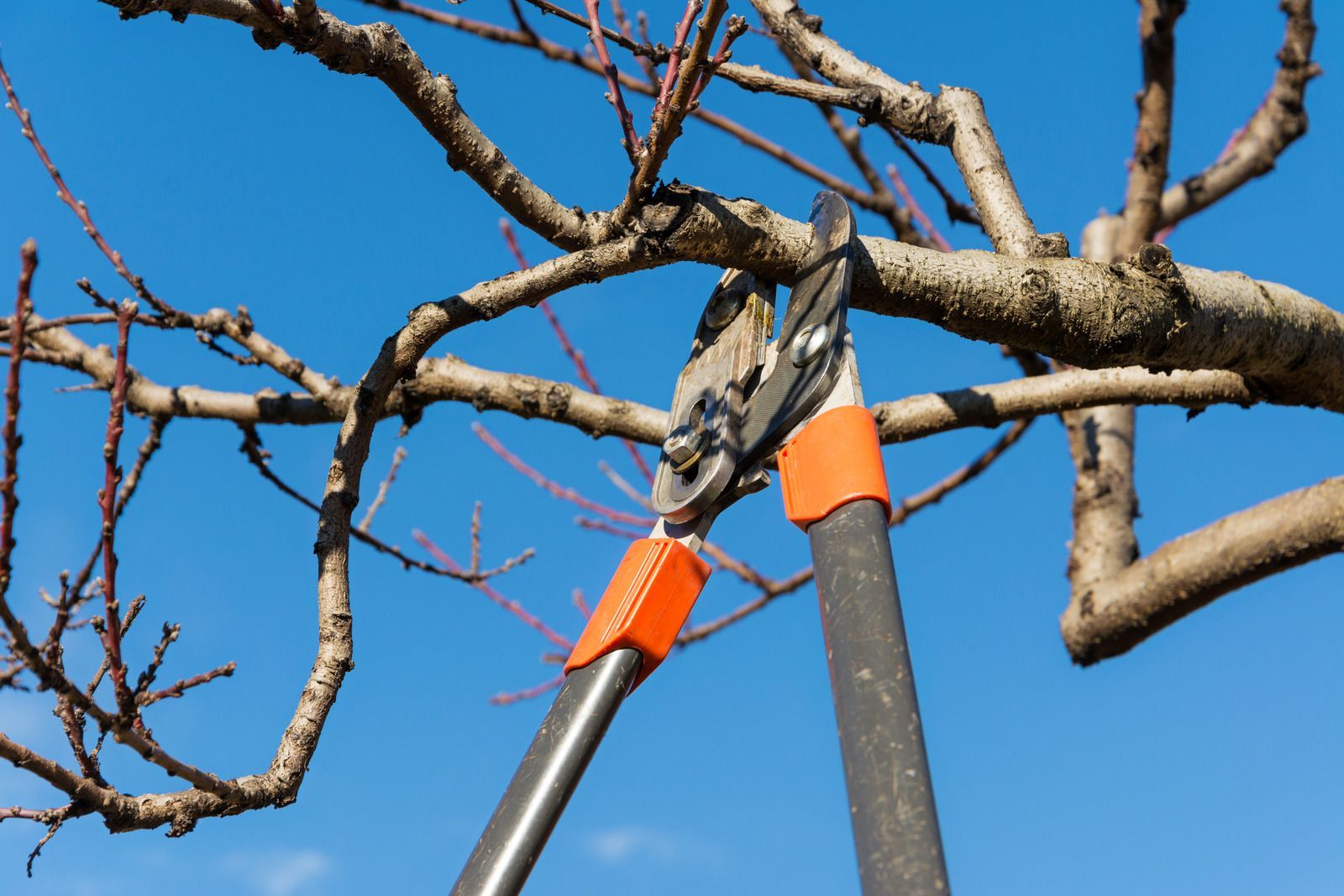
Spotting one of these signs doesn't automatically mean a tree has to come down. Plenty of trees with minor defects can be kept safely with the right work. A crown reduction takes weight off a heavy, overextended limb. Selective thinning lets wind pass through a dense canopy instead of shoving against it. Deadwood removal clears the falling hazards and leaves a sound tree in place. A tree health assessment sorts the trees worth saving from the ones that have passed the point of return.
When removal is the answer, the how matters as much as the whether. A tall conifer looming over a roofline can't just be dropped in one piece. It has to come apart in sections, and on tight lots or trees hanging right over a structure, a crane lifts each cut piece up and away from the house instead of dropping it. Taking down a big tree near a building is careful, staged work. It's not something to improvise on a Saturday.
The cheapest move, every time, is the early one. A defect caught in July is a planned, controlled job. That same defect ignored until January is a storm-night emergency with your roof underneath it.
Protect Your Property by Recognizing Tree Hazard Signs
A tree rarely fails without warning. It leans a little more, drops a limb it shouldn't, develops mushrooms around its base, or forms cracks along the trunk. Recognizing these warning signs early helps you address potential hazards before they become costly emergencies. Regular inspections and timely care can protect your property while preserving healthy trees whenever possible. For homeowners throughout Eugene, Oregon, staying alert to these changes is especially important during the region's wet, windy seasons.
With 15 years of experience, Purple Heart Tree Service understands the unique challenges trees face throughout the region. From identifying structural defects to evaluating storm-related damage, every assessment should focus on both tree health and property safety. Knowing when a tree requires monitoring, pruning, or removal allows you to make informed decisions that reduce risk and help maintain a safer outdoor environment for your home and family.
FAQs
How can I tell if a tree is dangerous or just old?
Age alone doesn't make a tree hazardous. Look for a new lean, dead limbs, fungal growth, cracks, cavities, or heaving soil. A tree becomes hazardous when structural defects threaten nearby homes, vehicles, or people.
Is a leaning tree always a problem?
No. A long-standing lean is often stable. The warning sign is a lean that appears suddenly, worsens over time, or includes cracked, lifted soil at the base, signaling possible root failure and immediate concern.
Do mushrooms on a tree mean it is dying?
Mushrooms or hard conks indicate wood decay that weakens the tree's structure. Growth around the root flare is most concerning because it suggests root rot, even if the canopy still appears healthy and green.
Why do trees fall in our winter storms when they stood fine all summer?
Winter rains saturate the soil, weakening root support and reducing stability. When strong winds arrive, trees with shallow or compromised root systems can uproot suddenly, even if they appeared healthy throughout the summer.
Should I try to remove a hazardous tree myself?
Removing a hazardous tree is dangerous, especially near structures or power lines. Internal decay and root failure create unpredictable movement, making professional equipment, rigging, and experienced crews essential for completing the work safely.